What Are Dental Sealants?
A dental sealant is a thin protective coating that is applied to the chewing surface of a tooth. Once placed, the sealant helps smooth over the natural grooves and depressions in the tooth, creating a barrier against plaque, food particles, and bacteria.
Sealants are most commonly placed on the back teeth because these teeth do most of the chewing and are more likely to trap debris. They are often recommended for children once their permanent molars come in, but adults can benefit from sealants too, especially if their teeth have deep grooves or a higher risk of decay.
Why Are Sealants Helpful?
Brushing and flossing are essential, but toothbrush bristles may not always reach deep into the small grooves of the back teeth. When bacteria and food particles sit in these areas, the risk of cavities increases.
Dental sealants help by adding a protective layer over those vulnerable surfaces. They do not replace daily brushing, flossing, or regular dental cleanings, but they can make it easier to keep certain teeth clean and protected.
Sealants may be helpful for:
- Children with newly erupted permanent molars
- Teens who are more prone to cavities
- Adults with deep grooves in their back teeth
- Patients who have a history of tooth decay
- Teeth that are difficult to clean thoroughly
- Patients looking for additional cavity prevention
What To Expect When Getting Dental Sealants
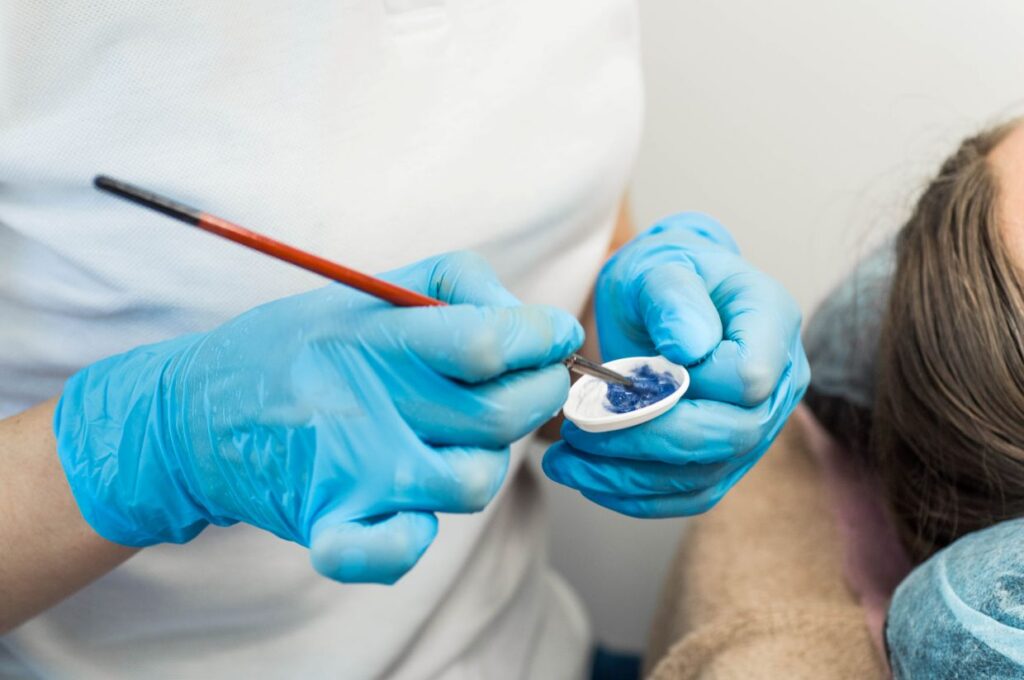
Getting dental sealants is typically quick, comfortable, and non-invasive. No drilling or numbing is usually needed. The tooth is cleaned and dried, then the sealant material is carefully painted onto the chewing surface. Once the sealant is placed, it is hardened so it can bond to the tooth and begin protecting the surface.
Dr. Habibi will check the sealant to make sure it feels comfortable and does not interfere with your bite. The entire process is simple, which makes it especially helpful for children who may feel nervous about dental treatment.
Are Dental Sealants Only For Children?
Sealants are commonly recommended for children because permanent molars are more vulnerable to cavities soon after they come in. Protecting these teeth early can help reduce the risk of decay during important developmental years.
However, sealants are not only for children. Adults can also benefit from sealants if their teeth have deep grooves or if certain areas are more difficult to keep clean. During your exam, Dr. Habibi can determine whether sealants are a good option for you or your child.
How Long Do Dental Sealants Last?
Dental sealants can last for several years with proper care, but they should be checked regularly during dental exams. Over time, a sealant may wear down, chip, or need to be touched up. During routine cleanings and exams, our team will monitor your sealants and let you know if any maintenance is needed.
To help sealants last, continue brushing twice a day, flossing daily, and visiting Pacific Dental Center for regular preventative care.
A Simple Step Toward A Healthier Smile
At Pacific Dental Center, we believe small preventive steps can make a big difference in long-term oral health. Dental sealants are a simple way to help protect vulnerable teeth and reduce the risk of cavities, especially for children and teens.
Dr. Habibi will always explain why a sealant may be recommended and answer any questions before treatment. Our goal is to help patients feel informed, comfortable, and confident about their care.
Schedule Dental Sealants In Pacific, MO
If you are interested in dental sealants for yourself or your child, Pacific Dental Center is here to help. We provide gentle, preventative dental care for families in Pacific, MO and the surrounding communities.
Call (636) 257-3997 today to schedule an appointment with Dr. Natalia Habibi and our caring team.
FAQs About Dental Sealants
What are dental sealants?
Dental sealants are thin protective coatings placed on the chewing surfaces of teeth. They help cover grooves and pits where food particles and bacteria can collect, reducing the risk of cavities.
Do dental sealants hurt?
No. Getting dental sealants is typically quick and comfortable. The process usually does not require drilling, shots, or numbing.
Who should get dental sealants?
Sealants are often recommended for children and teens once their permanent molars come in. Adults with deep grooves or a higher risk of cavities may also benefit from sealants.
Are sealants a replacement for brushing and flossing?
No. Sealants add protection to certain tooth surfaces, but they do not replace brushing, flossing, or regular dental cleanings. Good home care is still important.
How long do dental sealants last?
Dental sealants can last for several years, but they should be checked during routine dental exams. If a sealant wears down or chips, it may need to be repaired or replaced.